


By Jeff Fabré
Golfers Bridging Divides
Two friends, seemingly from different worlds, laugh together in a golf cart on a public golf course. This image of camaraderie is more than leisure—it reflects the transformative power of urban golf courses as engines of socioeconomic mobility and community connection. As of 2023, these spaces generated over $101.7 billion in annual economic activity in the U.S., proving they are far more than recreational facilities—they are vital community assets driving profound social and economic impact.
Golf’s Elite Reputation
Golf is often seen as a sport for the elite, defined by exclusive clubs and high fees. Public courses challenge this narrative by democratizing access to a game historically reserved for the privileged. For a fraction of the cost of private memberships, individuals can enjoy well-maintained greens and the strategic and social dimensions of the sport.
Public courses also generate tangible economic benefits, supporting over 1.65 million jobs and creating $80.1 billion in wages and benefits nationwide. Beyond their economic contribution, these courses enrich communities by fostering inclusivity—offering spaces where people from diverse backgrounds can meet, share experiences, and build lasting connections that transcend the game.
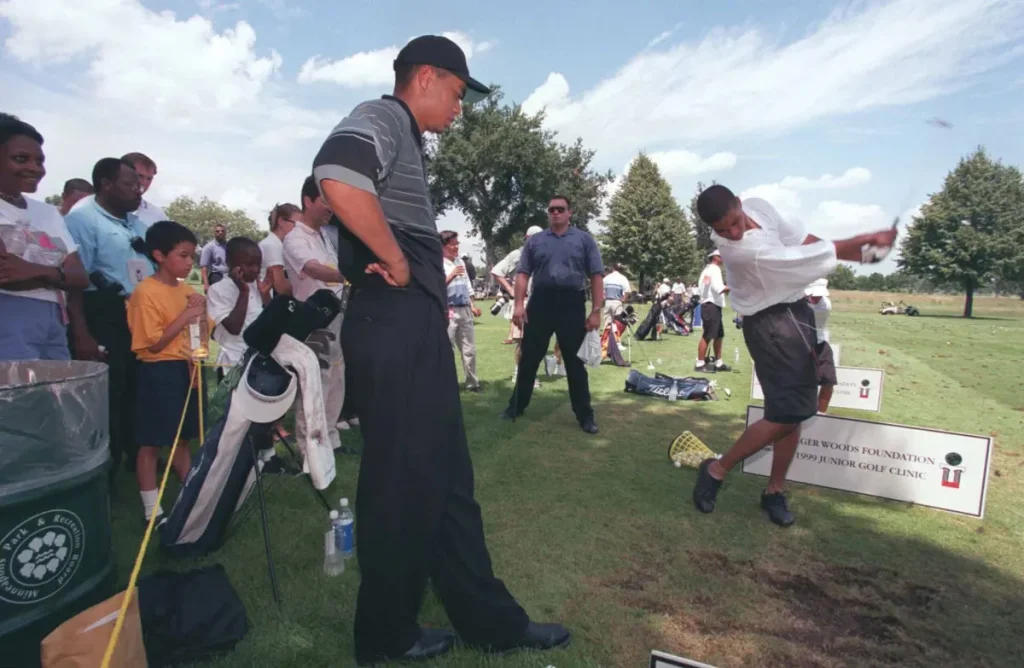
Tiger Woods at Hiawatha: Changing the Face of Golf
Hiawatha Golf Course in Minneapolis is a testament to how public courses can inspire and empower communities. In 1999, it hosted golf legend Tiger Woods and his father, Earl Woods, as part of the Tiger Woods Foundation Junior Golf Clinic tour. The event drew over 1,000 kids and parents, with 24 young golfers receiving personal tips from Tiger.
Earl Woods spoke passionately about the transformative potential of golf for inner-city youth, emphasizing the right to dream and the importance of accessible spaces like Hiawatha in fostering hope and opportunity. “Someday,” he said, “we might have a Black president who went to Tiger’s clinic because we told him you have a right to dream—yes!—a right to dream!”
John Turnipseed, a facilitator for the Urban Ventures Center for Fathering, aptly described Tiger Woods’ influence: “He’s the Jackie Robinson of golf. He’s brought the spotlight on golf for Black kids.” Events like this underscore public courses’ role in breaking down barriers, providing opportunities, and inspiring the next generation of leaders.
Hiawatha Golf Course: A Case Study in Inclusion
The historic Hiawatha Golf Course in Minneapolis exemplifies how public golf courses can foster inclusion and diversify the game. Designated as a historic site in 2023, Hiawatha holds a special place in civil rights history, becoming the first municipal clubhouse in Minneapolis to integrate in 1952.
This milestone was spearheaded by Black professional golf champion Solomon Hughes and the Twin City Golf Club, whose members worked tirelessly to break barriers and create opportunities for Black golfers long excluded from private clubs. Hosting events like the Bronze Open Golf Tournament, Hiawatha became a place of empowerment, celebrating community achievements and amplifying the voices of those historically marginalized in the sport.
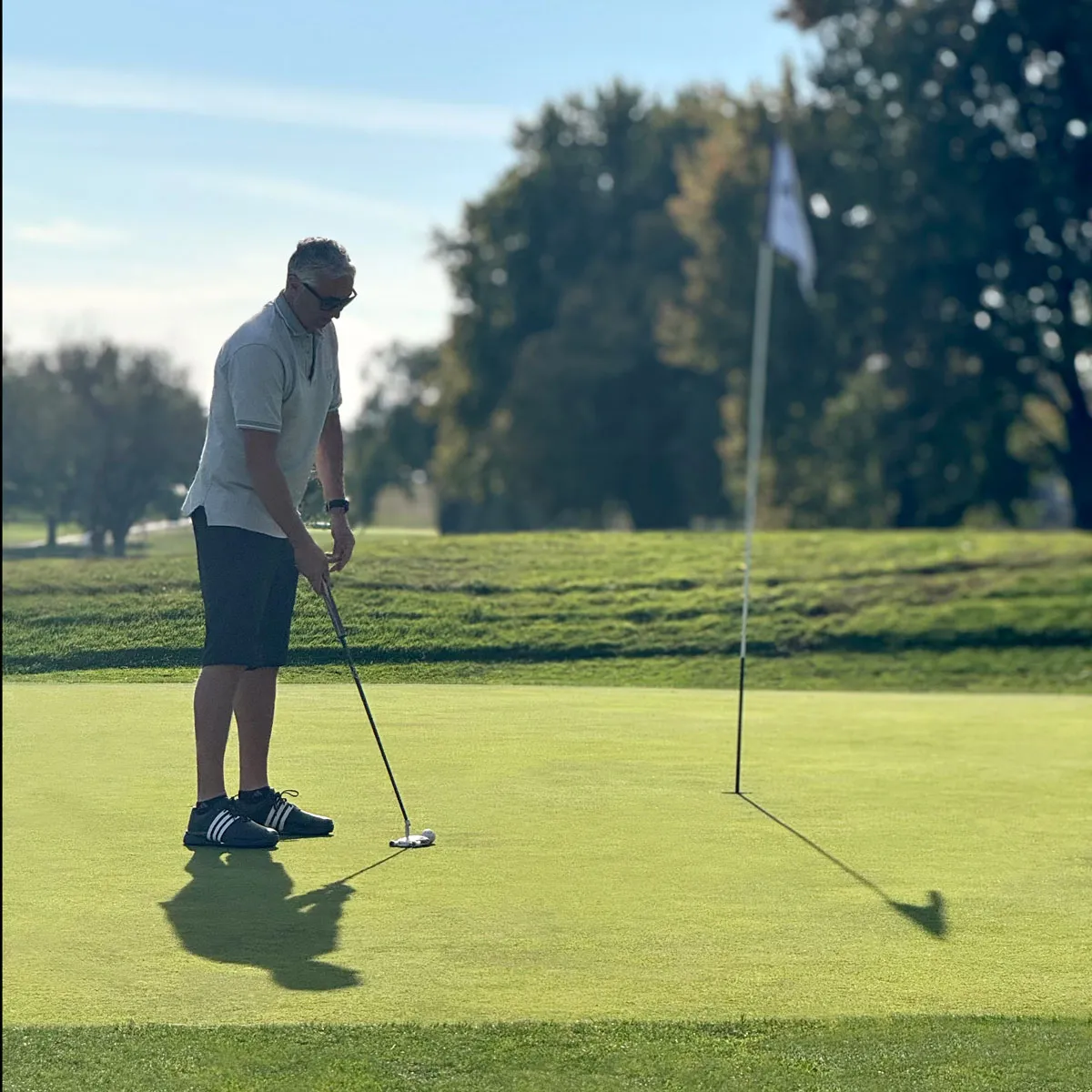
Lessons from the Greens
Golf has taught me many things that extend far beyond the fairways, and none of the private courses I play offer such a broad spectrum of diversity as Hiawatha Golf Course. As a member of its Men’s League, I’ve had the privilege of meeting people from all walks of life—tradesmen, business owners, and even celebrities.
Hiawatha’s proximity to my Minneapolis home makes it a personal favorite, but its legacy of inclusivity and community sets it apart. This course has consistently provided opportunities to build meaningful relationships that have enriched my personal and professional life, exemplifying the transformative power of public golf spaces.
Social Impact: More Than a Game
Golf is more than a sport—it’s a tool for personal development. Playing fosters critical skills such as patience, resilience, and strategic thinking. Programs like First Tee and Youth on Course make this experience accessible, teaching young players leadership, teamwork, and interpersonal confidence.
These programs yield measurable results. According to First Tee, over 80% of participants report improved confidence and character-building skills. By investing in these programs, communities ensure that golf remains accessible to all, leveling the playing field in opportunities for success.
Public Golf Courses and Economic Growth
Beyond their social impact, public golf courses are economic engines, raising $4.6 billion annually for charity, with 90% of events held at local courses. These greens are also hubs for mentorship, collaboration, and job creation, proving that their value extends beyond recreation.
For urban areas, public courses attract tourism, create jobs, and stimulate local businesses. They build stronger community bonds by bringing together diverse groups, reinforcing their role as economic and social progress drivers.
Addressing Criticisms: Accessibility and Sustainability
Critics often label golf as elitist or environmentally harmful. However, many public courses challenge these stereotypes by offering affordable access and adopting sustainable practices such as water conservation and habitat preservation.
Urban golf courses also serve as vital green spaces, improving air quality, reducing heat islands, and supporting wildlife. Balancing environmental concerns with accessibility ensures these spaces serve communities for generations.
The Unmatched Impact of Public Golf
As debates over land use, equity, and environmental sustainability continue, one fact remains clear: public golf courses occupy a unique and vital role in our communities. Unlike these courses, no other public land use combines structured interaction with high traffic and transformative potential. They offer a rare blend of recreation, networking, and personal development, providing a space to build relationships, create opportunities, and change lives.
By preserving and enhancing public golf courses, we safeguard their ability to foster socioeconomic mobility, build stronger communities, and inspire personal growth. Let us invest in these spaces—not just for the game they offer but for the unparalleled value they bring to individuals and society. Public golf courses are more than green spaces; they are engines for opportunity, inclusion, and progress.


